The Dopamine Addiction Cycle: Why Your Brain Betrays You
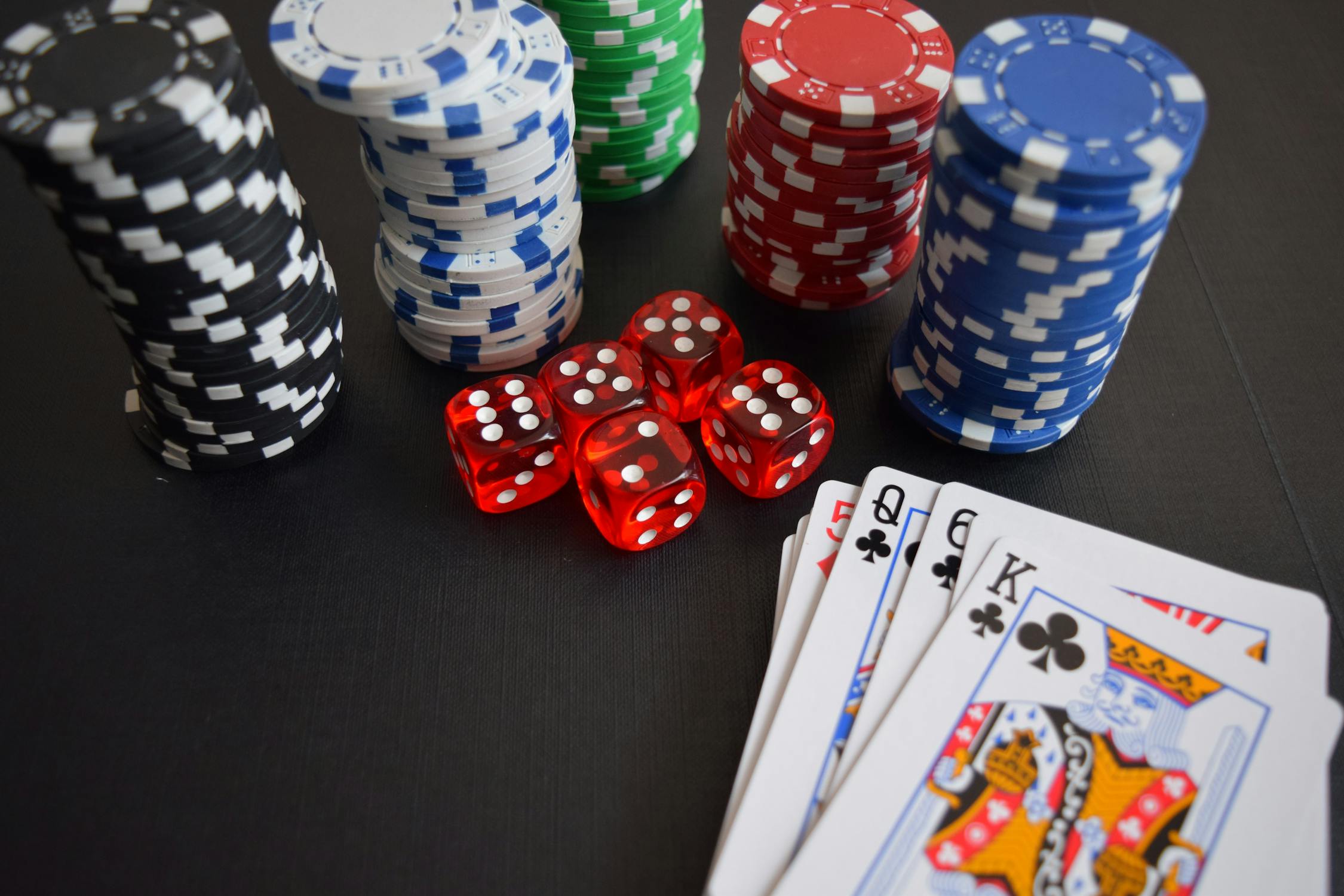
Your brain is hardwired to betray you at the casino. Understanding the neurochemical mechanisms behind gambling addiction reveals why willpower alone isn't enough—and why the house always wins.
The Chemical Chain Reaction
When you place a bet, your brain doesn't distinguish between gambling and survival. The anticipation of a potential reward triggers a cascade of neurochemical events that hijack your rational decision-making processes.
"The anticipation of winning activates the same neural pathways as cocaine. Your brain literally treats gambling like a life-or-death situation."
Dopamine, often misunderstood as the "pleasure chemical," is actually about anticipation and learning. It surges not when you win, but when you're about to find out if you've won. This is why slot machines are so effective—they maximize the anticipation period.
The Variable Ratio Reinforcement Trap
Casinos exploit what psychologists call "variable ratio reinforcement"—the most addictive form of conditioning known to science. Unlike predictable rewards, random payouts create an unbreakable psychological dependency.
Consider this: laboratory rats will press a lever thousands of times for unpredictable food rewards, even when they're not hungry. They'll continue pressing even when the food stops coming entirely. Sound familiar?
The Four Stages of Dopamine Manipulation
- Trigger: Environmental cues (casino sounds, lights, atmosphere)
- Craving: Dopamine surge creates intense want
- Response: You place the bet
- Reward: Occasional wins reinforce the cycle
Why "Just Stop" Doesn't Work
When dopamine floods your system, the prefrontal cortex—responsible for rational decision-making—goes offline. You're literally not thinking clearly. This isn't a character flaw; it's neurobiology.
"Telling someone with a gambling addiction to 'just stop' is like telling someone having a seizure to 'just relax.' The brain isn't functioning normally."
The Mathematical Reality
While your brain is focused on the next potential win, the mathematics are working against you with ruthless efficiency:
- Slot machines: 2-15% house edge
- Roulette: 2.7-5.26% house edge
- Blackjack: 0.5-2% house edge (with perfect play)
- Sports betting: 4.5-10% house edge
Every single bet you make has a negative expected value. Your dopamine-hijacked brain focuses on the potential upside while ignoring the mathematical certainty of long-term loss.
Breaking the Cycle
Understanding the neuroscience doesn't cure addiction, but it removes shame and provides a framework for recovery. Here's what actually works:
Environmental Control
Remove triggers from your environment. Uninstall apps, avoid casinos, use website blockers. Your brain can't crave what it doesn't encounter.
Substitute Behaviors
Replace gambling with activities that provide healthy dopamine release: exercise, creative pursuits, social connection.
Professional Help
Cognitive Behavioral Therapy (CBT) and support groups provide tools to recognize and interrupt the cycle before dopamine takes control.
The Bottom Line
Your brain evolved to seek rewards and avoid losses in environments where this served survival. Casinos exploit these ancient circuits with modern precision. Understanding this isn't defeat—it's the beginning of taking back control.
The house edge is mathematical. The dopamine cycle is biological. Both are working against you. But with knowledge and the right tools, you can opt out of a game you were never meant to win.